

Broadcast journalism is more than just talking heads on TV, it’s a window into the world delivered straight to living rooms everywhere. From breaking news to riveting human interest stories, broadcast journalism captures the essence of our collective experience. In a world where every second counts, these journalists are like modern-day storytellers, armed with cameras, microphones, and a relentless drive to keep the public informed. So, what really goes on behind the scenes in broadcast journalism? Buckle up because this is going to be an exciting ride.
History of Broadcast Journalism
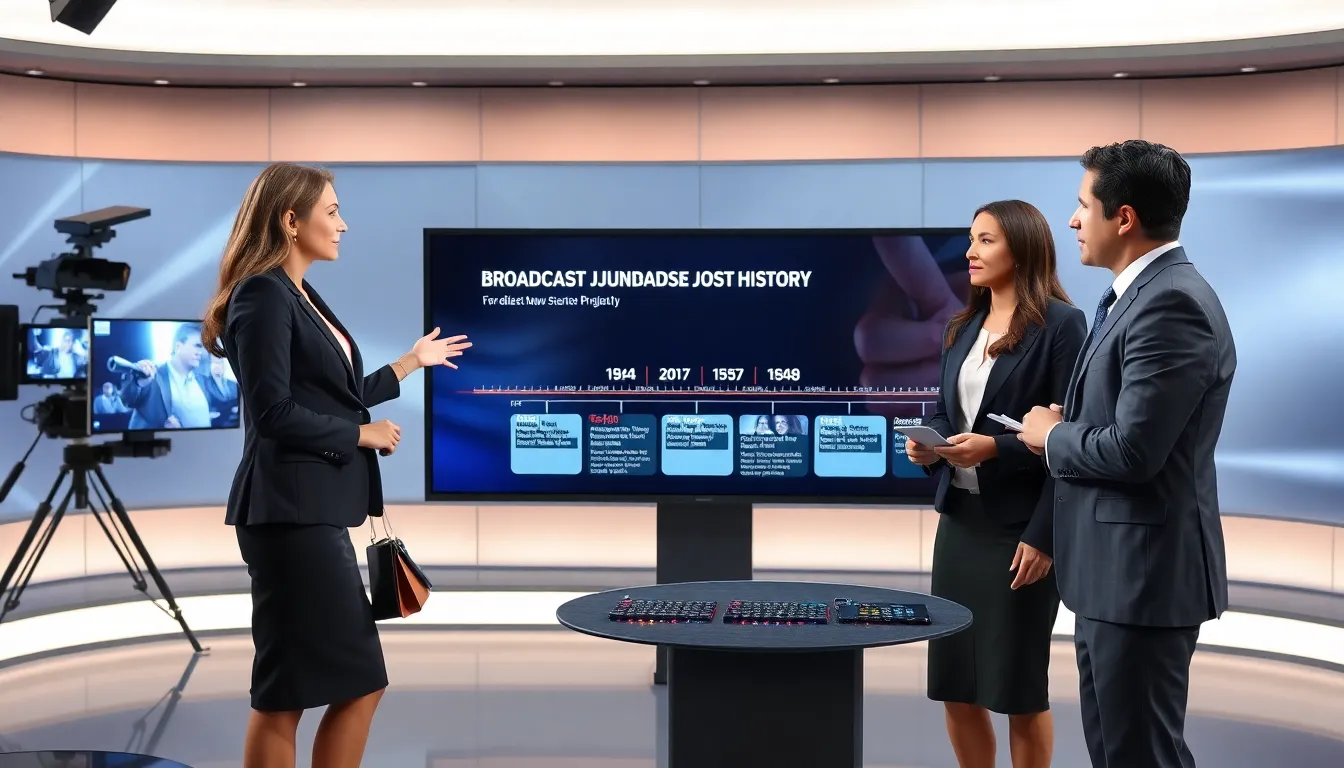
Broadcast journalism began its life in the early 20th century, emerging as radio became the go-to medium for news dissemination. The first radio news program aired in 1920 and set the groundwork for what would evolve into an industry poised for rapid change.
Television followed close behind, with the first news broadcast airing in 1940. This new visual medium added layers of engagement, transforming how stories were told. The 1960s marked a turning point, particularly with events like the assassination of President John F. Kennedy. Audiences were captivated, realizing the power of broadcasting as an immediate and impactful medium.
Fast-forward to the 21st century, and we see the rise of the Internet, radically altering the landscape once again. Online streaming and social media have become pivotal, challenging traditional broadcast models while providing new platforms for journalism to thrive. Through alliances with tech companies, broadcasters have adapted by implementing real-time news delivery, bringing viewers closer than ever to the action.
Key Elements of Broadcast Journalism
At the heart of broadcast journalism lie several key elements that define its essence. First is the importance of storytelling. Broadcast journalists craft narratives that engage the audience, ensuring the message is both compelling and informative.
Next, accuracy serves as the bedrock of credibility. Journalists must verify information, checking facts and sources before presenting it to the public. The visual component is also crucial. Quality video and audio enhance storytelling, making the news not just heard but also felt.
Also, immediacy is another cornerstone. Being the first to report, while ensuring accuracy, is vital in this industry, where a delay can mean lost trust. Finally, audience engagement shapes how stories are framed and presented. Understanding what resonates with viewers helps tailor content effectively.
The Role of Broadcast Journalists
Broadcast journalists have multifaceted roles, ranging from reporters to anchors, each requiring various skills and responsibilities. Reporters dig deep, gathering facts, interviewing sources, and investigating issues that matter. Anchors, on the other hand, present these stories to an audience, often serving as the face of the newsroom.
Field correspondents provide on-location reports, bringing the scene to life for viewers who are miles away. Producing, which involves organizing and planning news stories, cannot be overlooked. It’s a role that ensures everything flows smoothly during a broadcast.
Importantly, all broadcast journalists must adhere to journalistic ethics, maintaining integrity while reporting. This balance between engagement and responsibility helps cement trust between journalists and their audience.
Skills Required for Broadcast Journalism
The skills required for broadcast journalism are diverse, reflecting the complexities of the role. First and foremost, strong communication skills are necessary, both verbal and written. A reporter must express ideas clearly and concisely while also captivating their audience.
Critical thinking is paramount, especially when analyzing information to discern fact from fiction. Journalists must also possess technological proficiency, adapting to equipment like cameras, audio gear, and editing software. With the rise of digital platforms, familiarity with social media is increasingly valuable, as it allows for reaching a broader audience.
Also, time management is crucial in broadcast journalism. Reporters often work under tight deadlines and must balance the urgency of breaking news with the need for accuracy.
Finally, emotional intelligence helps journalists connect with their audience, especially when telling sensitive stories.
Ethical Considerations in Broadcast Journalism
Ethics plays a pivotal role in broadcast journalism, guiding journalists in navigating complex situations. Objectivity is essential: reporters must strive to present news fairly, avoiding biases that can skew public perception. This means providing balanced coverage that considers multiple viewpoints.
Transparency is another key ethical requirement. Journalists should disclose their sources unless confidentiality is warranted, maintaining trust with their audience. Respect for privacy is equally important: individuals should be treated with dignity, particularly in sensitive situations.
Finally, accountability ensures journalists take responsibility for their reporting. Committing errors should prompt swift corrections, showcasing the importance of reliability in building an informed public.
The Future of Broadcast Journalism
The future of broadcast journalism appears vibrant yet unpredictable. With technology evolving at breakneck speed, news delivery methods continue to shift. Streaming services and social media platforms allow audiences to access news anytime and anywhere.
Also, immersive technologies such as virtual reality (VR) hold the potential to redefine storytelling. Imagine experiencing breaking news through a VR headset, feeling as though you’re right there in the action. On the flip side, issues like misinformation and the challenge of maintaining credibility come to the forefront.
As the landscape evolves, broadcast journalism must adapt, harnessing technological advancements while staying true to its core values of accuracy, fairness, and engagement.