

In the world of theatre, your playwriting resume is your golden ticket. Think of it as your personal billboard where you can showcase your unique voice and style. If it’s not capturing attention, you’re likely stuck in the waiting room of unproduced plays. Craft it cleverly, share your dramatic flair, and you might just land that coveted opportunity. So, let’s dive deep into the art and science of building a compelling playwriting resume that not only showcases your talent but also gets you noticed (and maybe even offers applause.).
Understanding the Importance of a Playwriting Resume
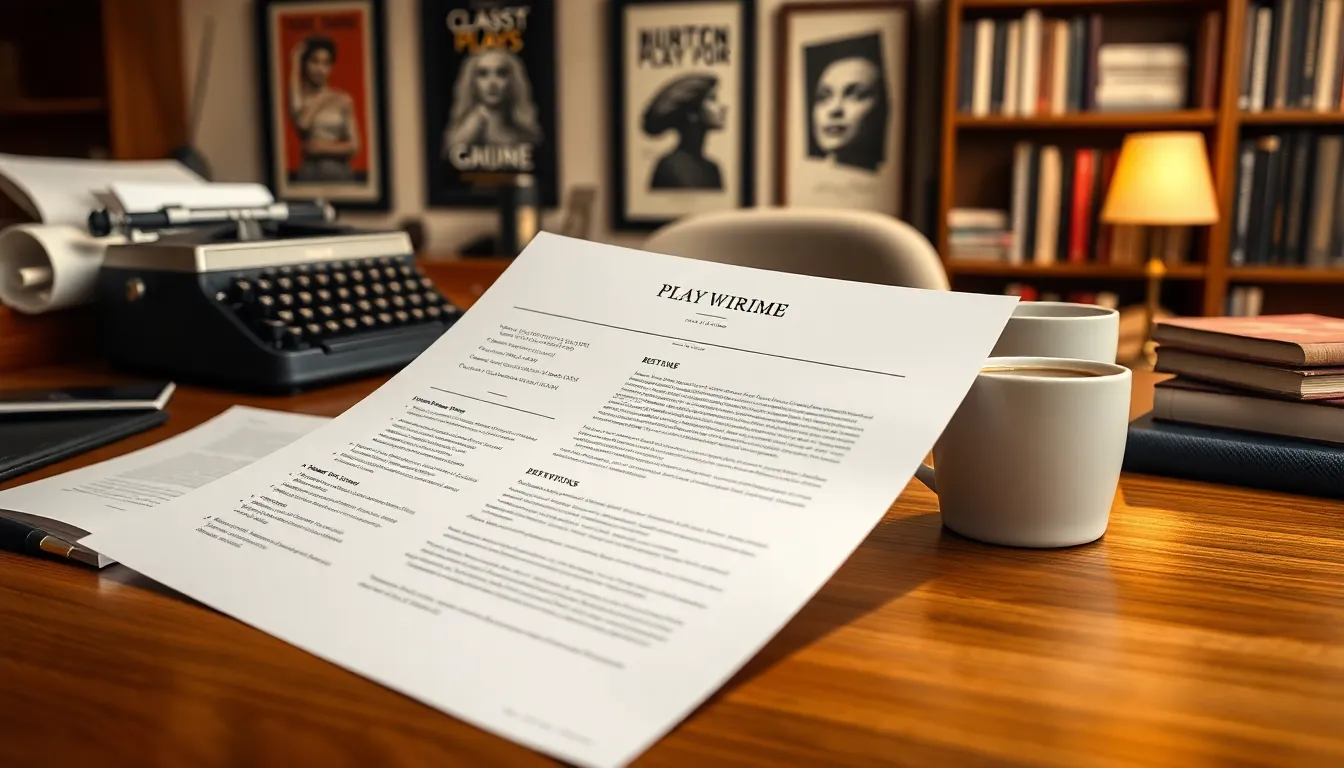
A playwriting resume isn’t merely a document: it’s a strategic tool that highlights a writer’s credentials, experiences, and versatility. Theatre professionals receive a slew of submissions, so standing out is vital. A well-crafted resume conveys professionalism. It signals that the writer respects their craft and takes the submission process seriously. To be competitive, a playwriting resume showcases not just what they’ve written but the depth of their understanding of character, dialogue, and stagecraft.
Besides, the resume serves to articulate the writer’s personal brand. Each playwright has a unique perspective, and reflecting that in a resume helps directors and producers to see not only the writer’s work but the essence of their storytelling. Whether it’s dark comedy or heartfelt drama, the resume summarizes the writer’s artistic vision.
Essential Components of a Playwriting Resume
Creating a standout playwriting resume often starts with core components:
- Contact Information: Always place this at the top. Include a professional email and relevant social media links, particularly those showcasing your work.
- Professional Summary: A brief overview of your experience can be useful. Summing up your narrative voice or specialties gives context to your work.
- Production History: Highlighting past productions, including the title, venue, and year, is crucial. It demonstrates your active involvement in the theatre scene.
- Writing Experience: List your plays, with a focus on notable productions or awards. If you’ve gained recognitions, don’t hold back.
Formatting Your Playwriting Resume
The format of a playwriting resume can make a difference. Start with a clean, professional layout that’s easy to read. Use a standard font like Times New Roman or Arial in 10-12 point size. Bold headings for quick navigation.
Sections should be clearly labeled and organized logically:
- Start with your name prominently displayed. A catchy title might reflect your style.
- List your contact information next.
- Use bullet points for easy scanning, especially in sections like Production History.
- Keep it to one page if possible: theatre professionals often appreciate brevity.
Tailoring Your Resume for Different Opportunities
Playwrights must tailor their resumes to the opportunity at hand. A general resume is good, but a specific one can significantly boost chances. When applying for festivals, for instance, emphasize works that fit the festival’s theme or audience.
Researching the theatre company helps too. Incorporate keywords that resonate with their mission. If they prioritize innovative storytelling, hint at your unique approach.
Besides, when addressing a specific production, mentioning related themes or styles enhances relevance. This shows the directors that you understand their artistic needs.
Showcasing Your Skills and Experience
Skills are just as important as experience. A playwriting resume should highlight various strengths such as:
- Collaborative Spirit: Mention your experience working with directors and actors. This is crucial since theatre is inherently a collaborative medium.
- Versatility: Showcase any variety in genres. Have you written compelling drama and hilarious comedy? Demonstrate a range.
- Workshops and Readings: Include any workshops, masterclasses, or staged readings you’ve participated in. This demonstrates ongoing commitment to your craft.
Common Mistakes to Avoid When Crafting Your Resume
Wading through the process of creating a playwriting resume can lead to a few common pitfalls:
- Poor Organization: Forgetting to structure sections is a common error. Disorganization can frustrate those reviewing resumes.
- Spelling and Grammar Errors: Typos or grammatical mistakes can tarnish professionalism. Always proofread and perhaps seek a second pair of eyes.
- Listing Irrelevant Information: Keep content focused. Details that have no relation to playwriting or theatre should be left out.
Tips for Enhancing Your Playwriting Resume
To take a playwriting resume from good to fantastic, consider these handy tips:
- Use Action Verbs: Instead of saying “responsible for,” try “created” or “developed”. Active language engages the reader.
- Quantify When Possible: If your writing led to a specific outcome, express it through numbers.
- Include Testimonials: Short quotes from directors or actors about your work can add significant weight. A few impactful words can make a strong impression.
- Keep it Updated: As new productions arise, add them promptly. An outdated resume can signal complacency.